CBD Cream in Boston: Gel or Cream, What to Check, and Where to Buy
Comparing CBD cream and CBD muscle gel in Boston? What each one is good for, how to read the label, a dermatologist-backed patch test, and where to buy in Southie.
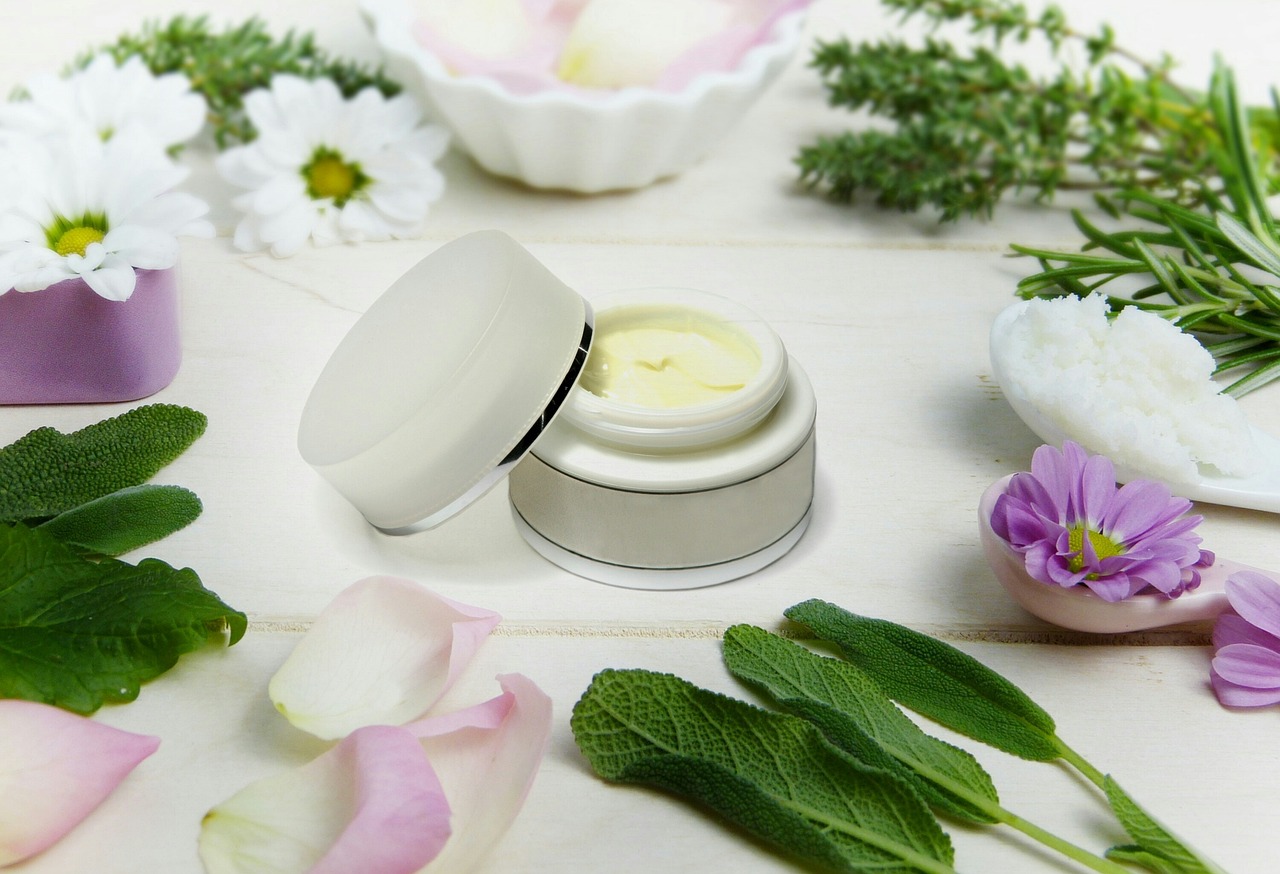
For CBD cream in Boston, pick by texture first: a cooling gel for right after a run or a lift, a richer cream for the end of the day. deVINE Boston in South Boston makes both, each with 1,200mg of CBD per 4oz jar, plus a $20 travel mini and a $75 bundle of the two. Whatever you buy, patch test it first and walk away from any label that promises to cure pain.
Anyone who runs or lifts regularly ends up with a medicine cabinet full of things that smell like peppermint. Over the past few years, CBD creams have joined that shelf for a lot of people, and the question at the gym is always whether they’re worth it. The honest answer is that the format matters more than the hype, and the shopping matters more than either.
This guide is for anyone looking for a CBD cream in Boston who wants to buy once and buy right. It explains the difference between a gel and a cream, what the ingredients on the jar actually are, how to tell a careful seller from a careless one, what the research does and doesn’t say, and where to pick one up in South Boston.
Why a CBD topical is a different product from CBD oil
A topical is anything you put on your skin: creams, gels, balms, roll-ons, bath soaks. A tincture or gummy is something you swallow. That sounds obvious, but it changes almost everything about how you should shop.
When you rub a cream into your calf, the CBD mostly stays in the skin and the tissue near the surface. Very little of it reaches your bloodstream. That’s why topicals are generally considered unlikely to make you feel anything in your head, and why people who avoid oral CBD sometimes feel comfortable with a cream.
It also means the whole experience depends on more than CBD. The base, the texture, the other ingredients, how cold or warm it feels, and how much you massage it in all shape what you notice. That’s why two jars with the same milligram number can feel completely different.
If you’re weighing a topical against taking CBD by mouth, we’ve covered the swallowed side in our real-world guide to CBD and everyday stress. This article sticks to what goes on the skin.
CBD muscle gel vs. CBD cream: which one fits your routine

Most people choose wrong because they compare milligrams instead of texture. Here’s the difference in plain terms.
A gel is water-based or alcohol-based, so it feels light, spreads thin, and sinks in quickly. Many gels are formulated to feel cool on contact. They don’t leave much residue, so you can put your shirt back on or grab a steering wheel without feeling greasy.
A cream is an emulsion of oil and water. It’s thicker, takes longer to absorb, and leaves skin feeling moisturized. It doubles as a body lotion, which makes it a good fit for dry hands, heels, and winter skin.
A balm or salve is mostly oil and wax with little or no water. It’s the slowest to absorb and the most concentrated feeling, good for small areas like knuckles.
A roll-on puts a gel or cream behind a rollerball, so you can apply it without getting product on your hands.
If you train, the simple rule is gel after, cream at night. If you mostly want softer skin with a CBD massage routine on top, a cream is the better buy.
| Format | Feel on skin | Absorbs | Best moment | Example at deVINE |
|---|---|---|---|---|
| Gel | Light, cooling | Fast | Right after training | Cooling CBD Muscle Gel, 1,200mg / 4oz, $45 |
| Cream | Rich, moisturizing | Medium | Evening, dry skin | OptiMSM CBD Cream, 1,200mg / 4oz, $45 |
| Travel mini | Same as full size | Same | Gym bag, desk drawer | 1oz gel or cream, $20 each |
| Bundle | One of each | Both | Day and night routine | Recovery Bundle, 2,400mg total, $75 |
Where to buy CBD cream in Boston
You’ll find CBD topicals in a lot of places around the city: wellness boutiques, smoke shops, some licensed dispensaries, and online. The quality gap between them is large. Here’s how I’d rank the options.
1. deVINE Boston (619 E Broadway, South Boston)
If I had to send a friend to one place, it would be the deVINE shop in Southie. It has been on East Broadway since 2019, and the topicals on the counter are its own, not a rotating shelf of whatever a distributor dropped off.
Why it stands out: The house cooling muscle gel is the shop’s bestselling topical: 1,200mg of CBD in a 4oz (120ml) jar with turmeric, arnica, and seaweed in an icy-feeling base, $45 for the full jar or $20 for a 1oz mini. The OptiMSM body cream pairs the same 1,200mg of CBD with OptiMSM (a branded form of the sulfur compound MSM) and aloe vera in a velvety cream with a light, slightly minty scent, at the same prices. And if you can’t decide, the gel-and-cream Recovery Bundle puts both full-size jars together for $75, which is $15 less than buying them separately.
Best for: Runners, lifters, and anyone who wants a gel for after training and a cream for later without buying from two different brands.
What to know: Both are sold to adults 21 and over, and deVINE’s own product pages say plainly that experiences vary and that it makes no medical claims. That’s the kind of language you want to see. The shop is open 10am to 10pm every day; call (617) 315-7636 if you want them to hold a mini.
2. Independent wellness and apothecary shops
Why they can be good: Staff often know the makers and can let you smell or feel a tester.
Best for: Shoppers who want to compare several textures in one visit.
What to know: Ask for the lab report on the specific jar. A tester on the counter tells you how it feels, not what’s in it.
3. Licensed marijuana retailers
Why they can be good: Products are tested under the state’s marijuana program.
Best for: People who specifically want a topical that contains THC as well as CBD.
What to know: These are marijuana products, so they’re 21+ only, can’t leave Massachusetts, and are a different category from hemp CBD.
4. Smoke shops and convenience stores
Why they can be convenient: They’re everywhere and open late.
Best for: Grabbing a brand you’ve already checked out elsewhere.
What to know: This is where you’re most likely to see bold pain claims printed on the box. Treat those claims as a reason to put the jar back.
5. Online
Why it can be good: Huge selection.
Best for: Restocking a product you already know works for your skin.
What to know: You can’t feel the texture or smell it before buying, and opened skincare is rarely returnable.
Read the label like a regulator would
The fastest way to spot a careless seller is the language on the jar. Massachusetts doesn’t allow hemp CBD products that make therapeutic or medicinal claims, and federal regulators have gone after companies that did.
In December 2020, the Federal Trade Commission announced its first crackdown on CBD marketing, nicknamed Operation CBDeceit. According to the FTC’s announcement of the six cases, the companies had claimed their oils, balms, and other products could treat conditions such as cancer, heart disease, and Alzheimer’s disease without the science to back it up. The settlements barred them from making similar health claims without competent and reliable scientific evidence.
So here’s a useful rule of thumb when you’re standing in a Boston shop:
- Green flags: CBD milligrams per jar, full ingredient list, batch or lot number, a way to see lab results, size, an age requirement, and modest language like “massage cream” or “cooling gel.”
- Red flags: “Cures,” “treats,” “heals,” “clinically proven pain relief,” disease names on the box, or no CBD amount at all.
A modest label isn’t a weaker product. It’s a seller who understands the rules, and that usually carries over into how carefully the product is made.
What the other ingredients on the jar are
CBD gets the headline, but the supporting cast does a lot of the work you actually feel. Here are the ones you’ll see most often on CBD creams in Boston shops.
Arnica. A mountain flower that has been used in massage balms for a long time. It’s a common companion to CBD in muscle products.
Turmeric. The golden kitchen spice, included in topicals as a botanical extract.
MSM (methylsulfonylmethane). A sulfur compound that shows up in a lot of body-care products. OptiMSM is a branded version of it.
Aloe vera. Adds slip and a hydrating feel, especially in creams.
Seaweed extract. Gives gels a smooth glide.
Cooling agents. Many “icy” gels get their chill from ingredients like menthol or camphor. If a gel feels cold, check the ingredient list so you know what’s creating the sensation, especially if your skin is sensitive to mint.
Essential oils and fragrance. Pleasant, but also the most common reason people react to skincare. If you’ve reacted to scented lotions before, test carefully.
Do the patch test, even if it says “natural”
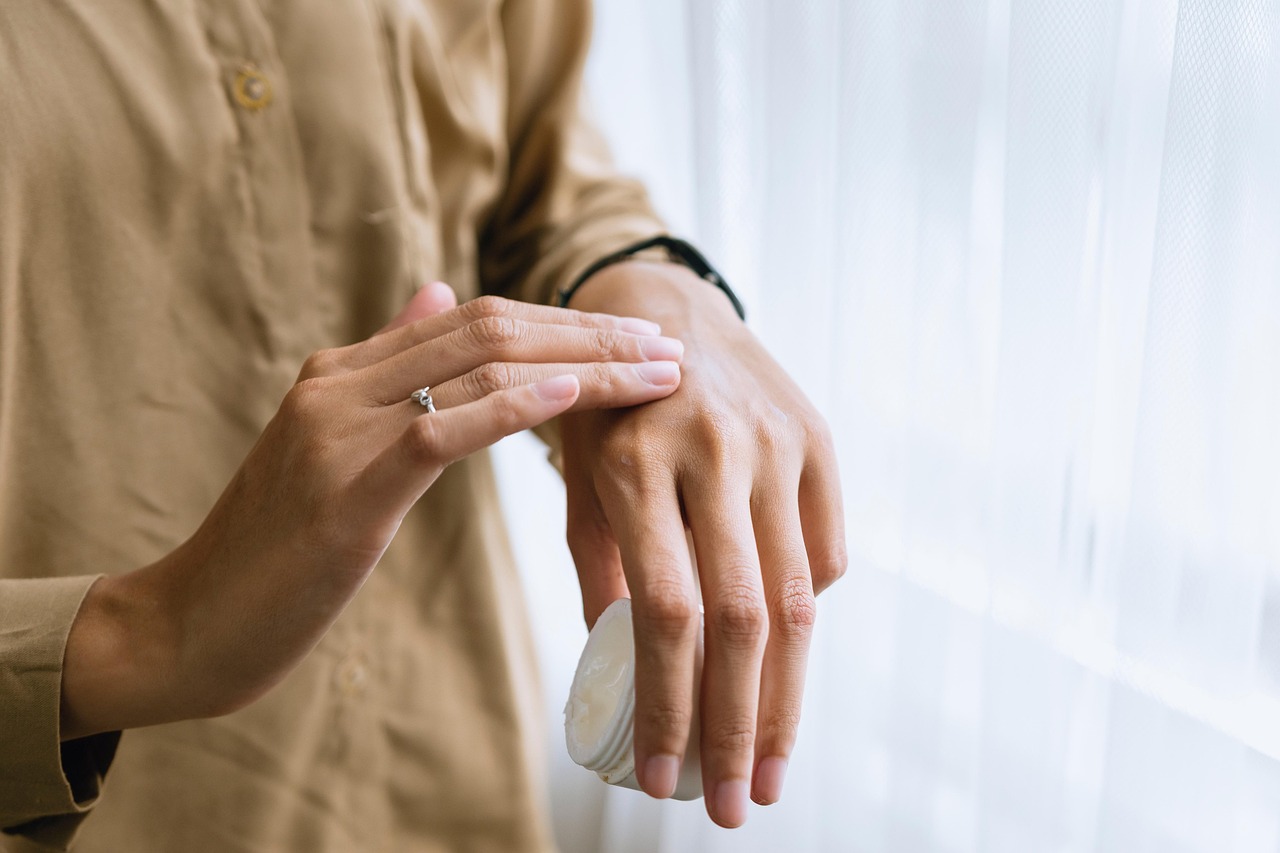
Botanical ingredients and essential oils are exactly the kind of thing that can irritate skin, and “natural” on a label doesn’t change that. The American Academy of Dermatology’s advice on testing new skin care products is simple and works well for CBD topicals:
- Pick a quarter-sized spot where the product won’t get rubbed or washed off, like the underside of your arm or the bend of your elbow.
- Apply the amount you’d normally use, twice a day, for seven to ten days.
- If the spot turns red, itchy, or swollen, wash it off and stop using the product.
- If nothing happens after a week to ten days, you’re probably fine to use it more widely.
Never put a cooling gel on broken, sunburned, or irritated skin, and keep it away from your eyes. Wash your hands after applying, especially if the gel contains a cooling ingredient you wouldn’t want near your face.
How much to use and how to apply it
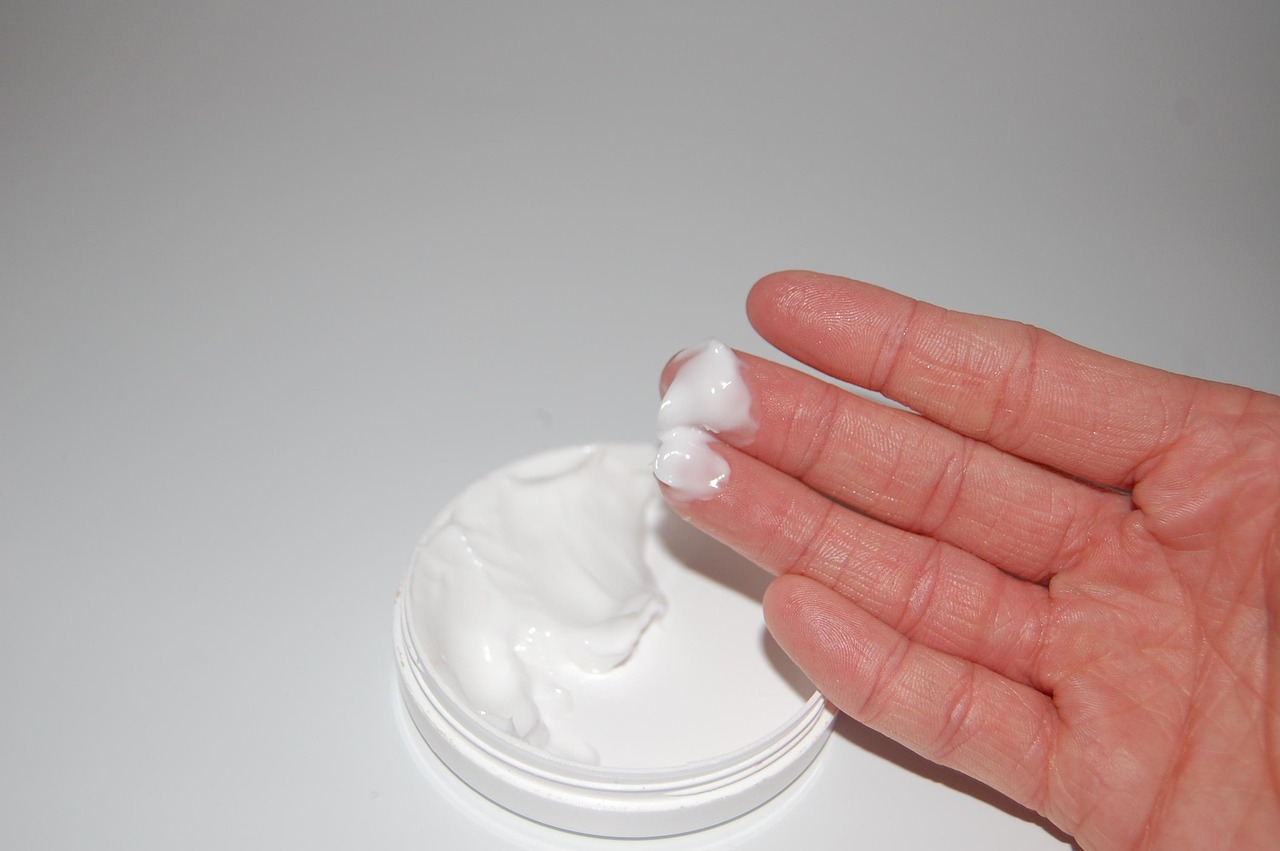
There’s no official dose for a CBD cream. Labels list the total CBD in the jar, but how much ends up on your skin depends on how much you scoop. A practical approach:
- Start with clean, dry skin.
- Use a fingertip amount for an area the size of your palm.
- Massage it in for a full minute. The massage itself is part of why people like these products.
- Wash your hands.
- Reapply later in the day if you want, following the label.
A 4oz jar goes a long way. If you’re not sure you’ll like the texture, the 1oz mini is a cheap way to find out before committing to the full size.
What the research actually says about CBD on the skin
Here’s the honest version. Topical CBD is popular, and there’s real scientific interest in it, but solid human evidence is still thin.
A 2024 review published in the journal Pharmaceuticals and indexed by the National Library of Medicine, a scoping review of topical CBD research, pulled together preclinical and clinical studies on CBD applied to the skin. Much of the work it gathered was in animals or small groups of people, and the authors pointed to the need for more pharmacokinetic studies, meaning research on how much of the active ingredient actually gets where it’s supposed to go.
That’s why you won’t see any promise in this article that a cream will fix anything. What people tend to report is that they like the ritual: a cooling or moisturizing massage at the right time of day. If that’s what you’re after, a well-made topical from a careful seller is a reasonable thing to try. If you have ongoing pain, swelling, or an injury that isn’t improving, that’s a job for a doctor or physical therapist, not a jar.
For a balanced take from a clinician, this video from sports medicine physician Dr. Jeffrey Peng walks through what topical CBD studies have and haven’t shown.
Five questions to ask at the counter
A good shop will answer all of these in under a minute. If the person behind the counter can’t, that tells you something too.
1. “Who makes this, and where?” House-made products and named brands are easier to trace than white-label jars with no maker listed.
2. “Can I see the lab results for this batch?” You want the CBD amount confirmed by an outside lab, and ideally screening for contaminants too.
3. “Is there THC in it?” This matters for drug testing and, after December 11, for whether the product stays on shelves at all.
4. “What makes it cool or warm?” If a gel is icy, there’s an ingredient doing that. Knowing what it is helps if your skin is sensitive.
5. “Is there a smaller size?” A mini lets you test texture and scent before paying for a full jar.
Building a simple routine around a CBD topical
The people who end up liking CBD topicals usually tie them to something they already do, so the jar doesn’t sit forgotten in a drawer. Three easy anchors:
After training. Keep a gel or a mini in your gym bag and use it in the locker room after you stretch. It’s light enough that you can get dressed right away.
End of the workday. If you sit at a desk or stand on a shop floor all day, a quick hand, neck, or calf massage when you get home is a cue to switch off.
Before bed. A richer cream on dry heels, hands, or shoulders fits naturally into a nighttime skincare routine, especially in a Boston winter when indoor heating dries everything out.
Whichever slot you choose, keep it consistent for a couple of weeks before deciding whether the product earns its place on your shelf.
Storing your jar so it lasts
Creams and gels keep best with the lid closed, away from direct sunlight and away from the radiator. Use clean, dry fingers or a small spatula so you don’t introduce water or bacteria into the jar. If the texture separates, the color changes, or the smell turns sour, stop using it. Check for an expiration or best-by date when you buy, and note when you opened it.
A note on the federal hemp change
Federal law is redefining hemp in two steps this fall. On December 11, 2026, finished hemp products intended for use on or in the body, including topicals, will be limited to 0.4 milligrams of total THC per container. Most CBD creams contain little or no THC, but some full spectrum topicals carry a trace.
If you have a favorite CBD cream, it’s worth checking its lab report for a THC number now. Products made with CBD isolate, or with THC reported as not detected, are the least likely to be affected. If a product does disappear from shelves this winter, that’s probably why.
My short buying checklist
- Decide on texture first: gel for after activity, cream for evenings and dry skin.
- Check the CBD milligrams per jar and the jar size.
- Read the full ingredient list, especially cooling agents and fragrance.
- Look for a batch number and a way to see lab results.
- Skip anything that claims to cure, treat, or heal.
- Buy a mini first if the size is available.
- Patch test for a week before using it widely.
Frequently asked questions
Can you buy CBD cream legally in Boston?
Yes. Massachusetts allows non-food hemp CBD products, including creams and gels, as long as they don’t make therapeutic or medicinal claims and aren’t marketed as dietary supplements. deVINE, for one, sells its topicals to adults 21 and over.
Will a CBD cream get me high or show up on a drug test?
Topicals are generally considered unlikely to cause any high, because very little reaches the bloodstream. Drug-test risk depends on whether the product contains THC, so check the lab report. If you’re tested at work, choose a product with THC listed as not detected.
Is a CBD gel or a CBD cream better after a workout?
Many people prefer a gel right after training because it’s light, cooling, and absorbs fast. A cream is richer and better suited to the evening or to dry skin. If you want both, a bundle is usually cheaper than buying them separately.
Where can I buy CBD muscle gel in South Boston?
deVINE Boston at 619 E Broadway sells its own Cooling CBD Muscle Gel (1,200mg CBD, 4oz for $45 or a 1oz mini for $20), plus a CBD cream and a bundle of both. It’s open 10am to 10pm every day.
How do I know if I’m allergic to a CBD cream?
Do a patch test. The American Academy of Dermatology suggests applying a new product to a quarter-sized spot on the inner arm or elbow crease twice a day for seven to ten days. Redness, itching, or swelling means stop.
Please read: disclaimer
This article is for general information only and is not medical or legal advice. CBD topicals are not approved by the FDA to diagnose, treat, cure, or prevent any disease, and nothing here should be read as a claim that they do. For external use only: avoid eyes, broken skin, and mucous membranes, and patch test before regular use. Speak with a doctor before using CBD products if you are pregnant, nursing, have a skin condition, or take medication. Products mentioned are sold to adults 21 and older. Hemp rules are changing federally on November 12 and December 11, 2026; check current law. Prices and stock were confirmed in late October 2026 and may change.

Layla Rice
More articles by this author